Why Modern Electricity Grids Are Essential for the Energy Transition
Anúncios
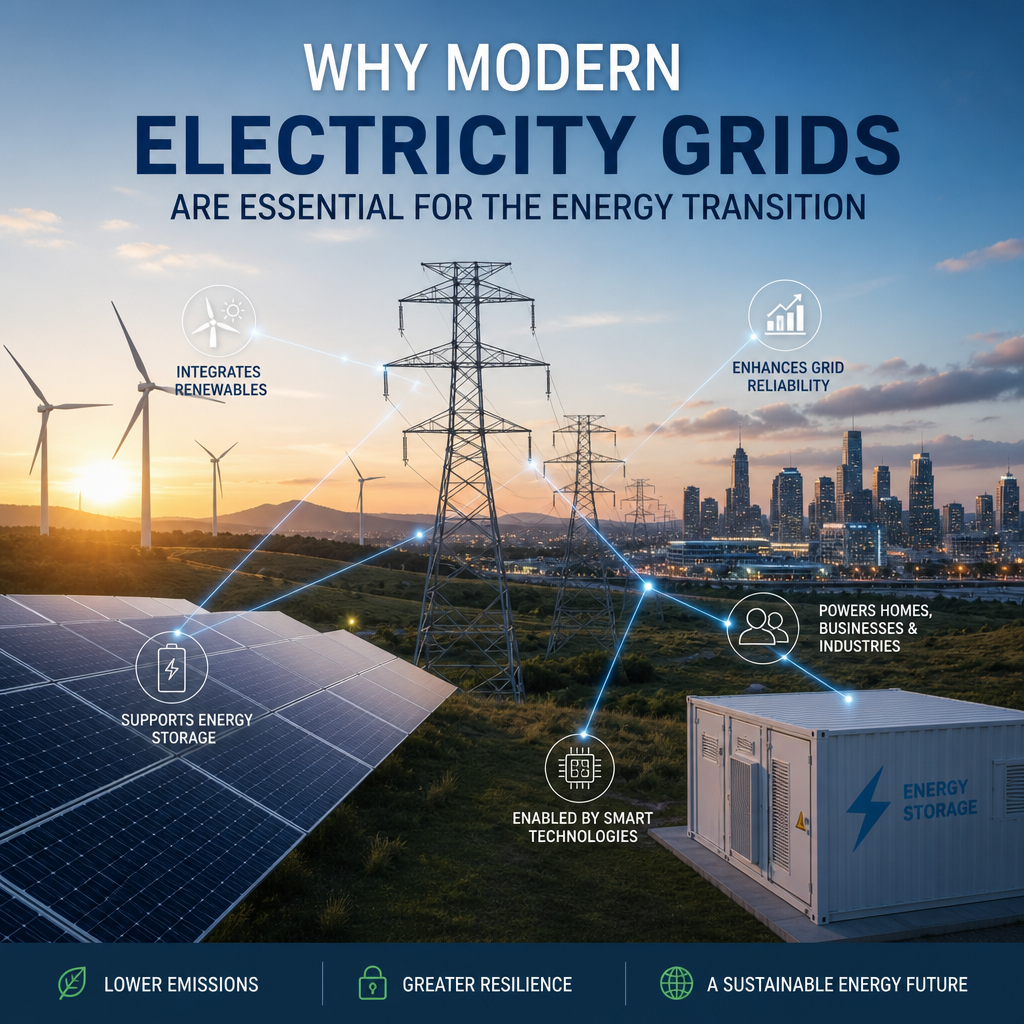
The global energy transition depends on more than building wind farms, solar arrays, and battery plants. It also depends on the modern electricity grid that moves that power where and when people need it. Without a stronger, smarter, more flexible grid, clean energy can be produced but not fully used.
That is why the modern electricity grid has become one of the most important pieces of the climate and energy puzzle. It connects renewable generation, supports electrification, improves reliability, and helps countries reduce emissions without sacrificing energy security. As demand grows from electric vehicles, data centers, heat pumps, and industry, the grid must do far more than it was originally designed to do.
Anúncios
What Makes a Modern Electricity Grid Different?
A traditional power grid was built around a simple model: large centralized power plants generate electricity, and utilities send it in one direction to homes and businesses. That model worked well for fossil fuel systems, but the energy transition has changed the rules.
A modern electricity grid is more dynamic, digital, and distributed. It can manage electricity from many sources at once, including:
Anúncios
- Utility-scale solar and wind
- Rooftop solar and small-scale generation
- Battery storage systems
- Electric vehicles and vehicle-to-grid technologies
- Flexible demand from smart appliances and industrial systems
Key Features of a Modern Grid
A modern grid typically includes:
- Two-way power flow
Electricity no longer moves only from big plants to customers. Homes, businesses, and community systems can also send power back to the grid. - Digital monitoring and automation
Sensors, software, and advanced controls help operators detect problems, balance supply and demand, and respond faster to outages. - Greater flexibility
The grid can adapt to variable renewable energy, which changes with weather and time of day. - Improved resilience
Modern systems can isolate faults, restore service faster, and withstand extreme weather more effectively. - Better integration of storage and electrification
Batteries, EVs, and flexible loads can help smooth peaks and support reliability.
Why the Modern Electricity Grid Matters for the Energy Transition
The energy transition is not only about replacing fossil fuels with clean energy. It is about building an energy system that is cleaner, more reliable, and more affordable over time. The modern electricity grid makes that possible.
1. It Enables Large-Scale Renewable Energy Integration
Wind and solar are now central to clean energy growth, but they are variable resources. The sun does not always shine, and the wind does not always blow. That variability is not a weakness if the grid is designed to manage it.
A modern grid helps by:
- Connecting renewable projects to demand centers
- Balancing fluctuations with storage and flexible generation
- Sharing power across larger geographic areas
- Using forecasting tools to plan around weather changes
For example, if solar output drops in one region late in the afternoon, the grid can draw on wind power, stored energy, or imports from another area where conditions are different. This kind of coordination is essential for high-renewable power systems.
2. It Supports Electrification Across the Economy
The energy transition relies heavily on electrification. More homes are installing heat pumps. More drivers are choosing electric vehicles. More factories are electrifying processes to cut emissions. All of this increases electricity demand.
A modern electricity grid supports electrification by delivering power reliably at scale. It also helps manage new patterns of demand. EV charging, for instance, can be shifted to off-peak hours. Smart thermostats and building controls can reduce strain during high-demand periods. These tools help keep costs down while making clean electricity more useful.
3. It Improves Energy Security and Reliability
Old grids often struggle with congestion, aging equipment, and limited flexibility. When extreme weather, fuel shortages, or unexpected outages occur, they can fail under pressure. Modern grids are designed to do better.
A resilient grid can:
- Detect and isolate faults more quickly
- Recover from disruptions faster
- Handle distributed resources more effectively
- Reduce dependence on single fuel types or supply chains
This matters because the energy transition is happening during a period of growing climate risk. Heat waves, storms, wildfires, and flooding are placing more stress on power systems. A stronger grid helps protect communities and critical infrastructure.
4. It Makes Electricity Cheaper to Use Efficiently
Grid modernization is often discussed as a cost, but it can also create value. Better transmission, smarter controls, and demand-side management can reduce waste and improve system efficiency. That can lower overall costs for consumers and utilities.
For example:
- Stronger transmission lines can reduce congestion and allow cheaper renewable power to reach more customers
- Smart meters can help households adjust usage when electricity is less expensive
- Grid automation can reduce outage-related losses for businesses
- Storage and demand response can reduce the need for expensive standby generation
In other words, the modern electricity grid helps the energy system use resources more efficiently, which is essential as electrification expands.
The Grid Is the Bridge Between Clean Supply and Real-World Demand
It is easy to think of the energy transition as a supply problem: build enough solar, wind, storage, nuclear, and other low-carbon resources. But even the best clean generation portfolio cannot succeed without a grid that can deliver electricity where people live and work.
Transmission Expands Clean Energy Access
Transmission lines move electricity from areas with strong renewable resources to places with higher demand. This is especially important because the best wind and solar locations are not always near major cities.
A modern electricity grid with expanded transmission can:
- Reduce renewable energy curtailment
- Improve regional reliability
- Open new areas for clean energy development
- Lower the need for local fossil backup generation
Distribution Systems Bring Clean Energy to the End User
Distribution grids—those local networks that serve neighborhoods and businesses—are just as important. They must now support rooftop solar, batteries, EV chargers, and smart buildings.
When distribution systems are modernized, utilities can better manage:
- Voltage fluctuations from rooftop solar
- Neighborhood-level outages
- High-demand charging clusters
- Local microgrids and community energy systems
This local layer is where many energy transition technologies become part of everyday life.
Challenges Slowing Grid Modernization
Despite its importance, grid modernization often moves too slowly. Several barriers stand in the way.
Infrastructure Is Aging
Many power systems rely on equipment that is decades old. Transformers, substations, and transmission lines were not designed for today’s demand patterns or the scale of distributed energy resources now entering the system.
Permitting and Siting Can Be Slow
Building new transmission and upgrading existing infrastructure often requires complex approvals across multiple jurisdictions. Even when a project is clearly beneficial, delays can stretch for years.
Market and Regulatory Rules Lag Behind Technology
Some electricity markets still reward old models of centralized generation more than flexibility, storage, and demand response. In many places, regulations do not yet fully support two-way power flow or advanced grid services.
Cybersecurity and Data Management Require More Attention
Digitalization brings major benefits, but it also creates new risks. Utilities must protect grid operations from cyber threats while managing large amounts of data securely and effectively.
How Modern Grids Support a Cleaner, More Flexible Energy System
The most effective modern electricity grid strategies combine technology, planning, and policy. No single tool can do the job alone.
Smart Technologies Improve Visibility and Control
Examples include:
- Advanced metering infrastructure
- Sensors on transmission and distribution assets
- Automated switches and fault detection systems
- Grid management software and AI-assisted forecasting
These tools give operators better insight into what is happening in real time, which helps them respond faster and plan more accurately.
Storage Provides Balance
Battery storage can absorb excess renewable electricity and release it later when demand rises. This reduces stress on the grid and improves the value of clean energy.
Storage can also help with:
- Frequency regulation
- Peak shaving
- Backup power during outages
- Smoothing short-term fluctuations from solar and wind
Demand Response Turns Customers Into Partners
Demand response programs allow electricity users to shift consumption in response to price signals or grid conditions. This can be as simple as delaying water heating or as advanced as coordinating industrial loads.
Benefits include:
- Lower peak demand
- Reduced grid congestion
- Better use of renewable generation
- Lower system costs
Real-World Example: Why Flexibility Matters
Imagine a region with strong midday solar generation and growing evening electricity demand. Without grid flexibility, the system may face two problems: too much solar power at noon and too little power after sunset.
A modern electricity grid solves this by combining:
- Solar generation
- Battery storage
- Smart charging for EVs
- Demand response in buildings
- Transmission links to other regions
This allows excess midday clean power to be stored or shifted, then used later in the evening. The result is better reliability, less waste, and stronger progress toward emissions goals.
Policy and Investment Must Keep Pace
Technology alone will not modernize the grid fast enough. Governments, regulators, utilities, and private investors all have a role to play.
Priorities for Grid Modernization
- Upgrade transmission and distribution infrastructure
- Streamline permitting for critical projects
- Modernize market rules to reward flexibility
- Invest in cybersecurity and resilience
- Support grid-interactive buildings and vehicles
- Expand workforce training for digital grid operations
Public policy can accelerate progress by aligning incentives with long-term system needs. Utilities also need regulatory frameworks that let them recover smart investments while delivering public value.
Why Delay Is Costly
Every year of delay makes the energy transition harder. If grid capacity does not keep up with renewable development and electrification, several problems can grow:
- Clean energy projects may be delayed or curtailed
- Electricity prices may rise due to congestion or inefficiency
- Outages may become more frequent under stress
- Fossil fuel plants may stay online longer than necessary
That is why the modern electricity grid is not a side issue. It is central infrastructure for the future of energy.
Frequently Asked Questions
1. What is a modern electricity grid?
A modern electricity grid is an upgraded power system that uses digital tools, automation, flexible resources, and two-way power flow to manage electricity more efficiently. It is designed to support renewable energy, storage, electric vehicles, and more active customer participation.
2. Why is the modern electricity grid important for renewable energy?
Renewable energy sources like wind and solar are variable, so the grid must balance changes in output. A modern electricity grid can integrate these resources more effectively through storage, forecasting, transmission upgrades, and demand response.
3. How does grid modernization improve reliability?
Grid modernization improves reliability by helping operators detect problems faster, reroute power when needed, and restore service more quickly after outages. It also makes the system more resilient to extreme weather and other disruptions.
4. Does a modern electricity grid help lower emissions?
Yes. A modern electricity grid helps reduce emissions by making it easier to use clean electricity from renewable sources and by supporting electrification in transportation, heating, and industry. It also reduces reliance on inefficient backup generation.
5. What are the biggest barriers to modernizing the grid?
The main barriers include aging infrastructure, slow permitting, outdated market rules, cybersecurity concerns, and the need for major investment. In many places, these challenges also overlap with workforce and regulatory constraints.
Official Resources
- U.S. Department of Energy: Grid Modernization Initiative
- National Renewable Energy Laboratory (NREL): Grid Integration
- International Energy Agency (IEA): Electricity Grids and Secure Energy Transitions
- U.S. Energy Information Administration (EIA): Electricity Explained
- National Institute of Standards and Technology (NIST): Smart Grid
Conclusion
The global energy transition will succeed only if the electricity system behind it can adapt. That is why the modern electricity grid is not just helpful—it is essential. It enables renewable energy integration, supports electrification, strengthens resilience, and improves the efficiency of the entire energy system. Without it, clean generation can remain stranded, demand can outpace delivery, and progress can slow.
Modern grids bring together transmission expansion, digital controls, storage, demand response, and smarter regulation to create a more flexible power network. They help turn clean electricity into a practical solution for households, businesses, transportation, and industry. Just as importantly, they provide the foundation for a more secure and resilient energy future.
If the energy transition is the destination, the grid is the road that gets us there. Investing in that road today is one of the most practical and impactful steps governments, utilities, and communities can take to build a cleaner tomorrow.