Preventive Cholera Vaccination Resumes as Global Vaccine Supplies Recover
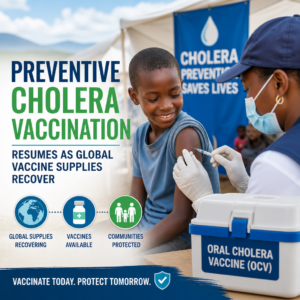
As global vaccine supplies recover, preventive cholera vaccination is making a return in the communities that need it most, helping public health teams act before outbreaks spiral. It’s an important boost for high-risk areas where clean water and sanitation are still out of reach.
By: Peter on August 1, 2026
Anúncios
After a period of serious strain on the world’s cholera vaccine supply, preventive cholera vaccination is once again becoming more available in places that need it most. That matters because cholera remains a serious public health threat in countries facing conflict, flooding, displacement, unsafe water, and poor sanitation. When vaccine supplies recover, health agencies can restart preventive campaigns that help stop outbreaks before they spread.
This shift is important for global health systems, humanitarian response teams, and communities living with recurring cholera risk. Preventive vaccination is not a stand-alone solution, but it is a powerful layer of protection when paired with clean water, sanitation, handwashing, and rapid treatment.
Anúncios
What Preventive Cholera Vaccination Means
Preventive cholera vaccination is the use of oral cholera vaccines before an outbreak becomes widespread. Public health teams use it to protect people in high-risk areas, especially when local conditions make cholera more likely to spread.
Unlike emergency vaccination, which often happens after cases are already rising, preventive campaigns aim to reduce the chance of a large outbreak in the first place.
Anúncios
Why prevention matters
Cholera spreads quickly when water and sanitation systems fail. A preventive approach can help:
Reduce the number of people at risk
Slow transmission in crowded settings
Protect displaced communities
Support outbreak control before cases surge
Ease pressure on fragile health systems
Preventive cholera vaccination works best when it is targeted. Health officials usually prioritize places with known vulnerability, such as refugee camps, flood-prone regions, and areas with ongoing outbreaks nearby.
Why Global Vaccine Supply Became a Problem
The recent recovery in global vaccine supplies matters because the world faced a real shortage. Demand for oral cholera vaccines rose sharply as outbreaks increased in multiple regions at once. At the same time, production capacity could not immediately keep pace.
When supplies tighten, countries and aid organizations must make difficult decisions. They may delay preventive campaigns, reduce the number of doses available for outbreak response, or focus only on the highest-risk settings.
What caused the strain
Several factors contributed to the shortage:
More frequent and widespread outbreaks
Cholera risk increased in multiple countries at the same time.
High humanitarian need
Conflict, displacement, and climate-related emergencies created new demand.
Limited manufacturing capacity
Oral cholera vaccines require specialized production and distribution planning.
Competing public health priorities
Global health systems were already under pressure from other emergencies.
This shortage highlighted an important reality: vaccine supply is not just a technical issue. It directly affects outbreak prevention, humanitarian planning, and whether vulnerable communities get timely protection.
Why the Recovery in Vaccine Supplies Matters
As supplies recover, public health agencies can restart preventive cholera vaccination campaigns that had been paused or scaled back. That is good news for countries and communities facing recurring risk.
Key benefits of renewed supply
Broader access to high-risk populations
More flexibility for preventive campaigns
Better outbreak preparedness
Improved support for humanitarian response
Greater ability to protect children and adults in vulnerable settings
Recovered supply also gives governments more room to plan strategically. Instead of reacting only to emergencies, they can take a proactive approach and build a more stable protection plan.
Where Preventive Cholera Vaccination Is Most Useful
Preventive cholera vaccination is not used everywhere. It is most helpful in areas where the risk of transmission is predictable or especially high.
Common high-risk settings
Displacement and refugee settings
Crowded living conditions, interrupted water services, and limited sanitation increase the chance that cholera can spread.
Flood-affected communities
Flooding can contaminate drinking water and damage sanitation infrastructure, creating ideal conditions for cholera transmission.
Areas with recurring outbreaks
Some places experience repeated cholera outbreaks due to long-term infrastructure challenges.
Conflict zones
War and instability often interrupt access to safe water, healthcare, and disease surveillance.
Border regions and mobile populations
People moving across regions can carry risk with them, especially when sanitation access is limited.
In these settings, preventive cholera vaccination can buy valuable time while other improvements are put in place.
How Oral Cholera Vaccines Work
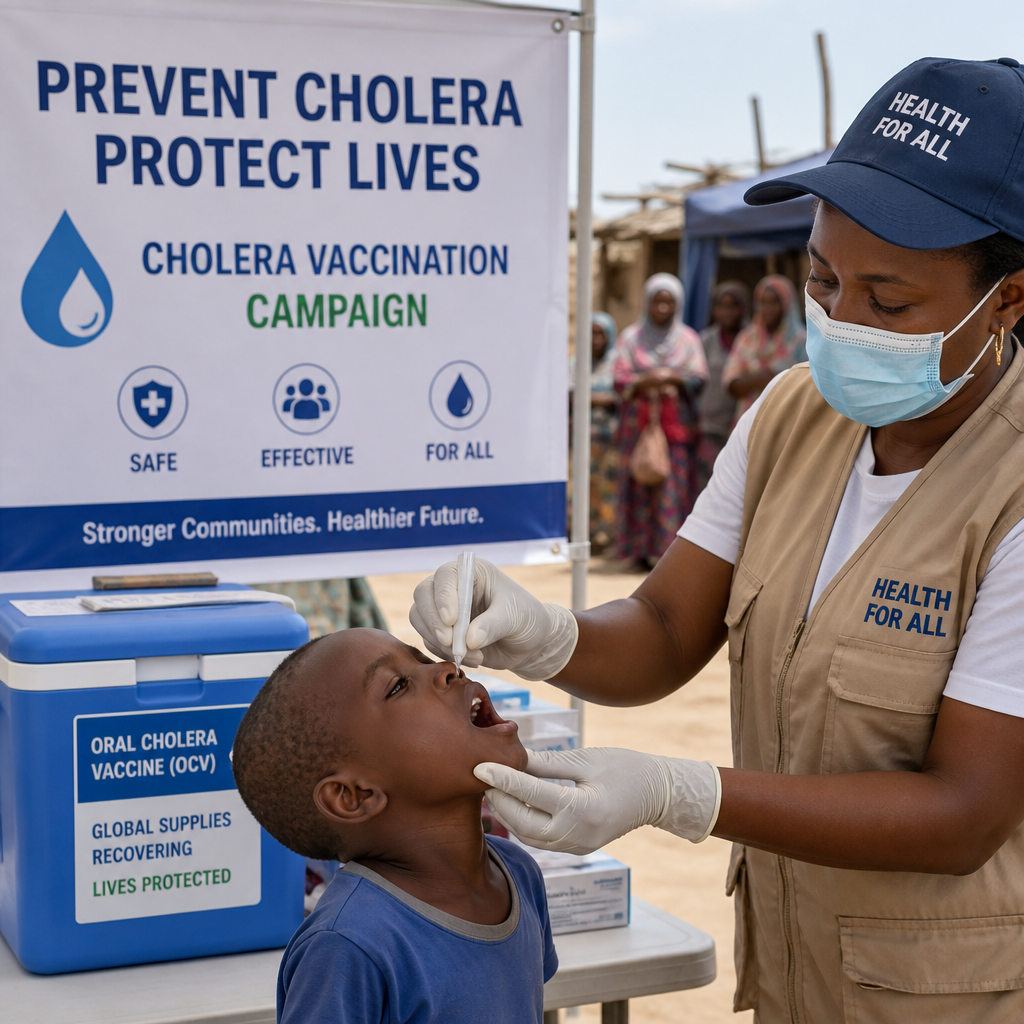
Most preventive cholera vaccination campaigns use oral vaccines. These vaccines are taken by mouth rather than by injection, which makes them easier to deliver in many community settings.
What the vaccine does
Oral cholera vaccines help the immune system recognize and respond to the bacteria that cause cholera. They are designed to reduce the likelihood of illness and help lower the impact of outbreaks.
Important thing to remember
The vaccine does not replace safe water or sanitation. It works alongside other measures such as:
Drinking safe water
Using latrines or toilets properly
Washing hands with soap
Cooking food safely
Seeking quick treatment for symptoms of dehydration
This layered approach gives communities the best chance of preventing illness and saving lives.
How Public Health Teams Use Preventive Campaigns
When vaccine supply is available, health agencies usually follow a careful planning process. They do not randomly distribute doses. Instead, they assess risk and target the most vulnerable populations first.
A typical preventive campaign may include:
Risk assessment
Officials review outbreak history, water access, sanitation, displacement patterns, and seasonal risks.
Community coordination
Local leaders, health workers, and humanitarian groups help identify the best approach.
Vaccine delivery planning
Teams organize storage, transportation, communication, and vaccination sites.
Public education
Communities receive clear information on why the vaccine matters and how to get it.
Monitoring and follow-up
Health systems track coverage, safety, and changing risk conditions.
This process helps ensure the available vaccine reaches the people who need it most.
Preventive Cholera Vaccination and Other Control Measures
Vaccination is an important tool, but it works best as part of a larger cholera prevention strategy. Public health experts consistently stress that long-term cholera control depends on water, sanitation, hygiene, and fast treatment.
The most effective protection includes:
Safe drinking water
Improved sanitation infrastructure
Hand hygiene with soap
Health education
Rapid access to rehydration and care
Surveillance and early detection
Targeted vaccination
If one layer weakens, the others become even more important. That is why preventive cholera vaccination is best seen as part of a broader public health response, not the only solution.
Why Recovery in Supplies Does Not Mean the Job Is Done
It is encouraging that vaccine supplies are recovering, but that does not solve the underlying conditions that allow cholera to spread. Many of the same risks still exist.
Ongoing challenges include:
Lack of access to clean water
Poor sanitation in underserved communities
Flooding and climate-related disruptions
Conflict and displacement
Delayed outbreak detection
Limited healthcare access in remote areas
In other words, vaccine supply recovery creates an opportunity, but sustained progress still depends on public investment in infrastructure and public health systems.
What This Means for Communities and Health Leaders
For communities, the return of preventive cholera vaccination means better chances of protection before an outbreak grows. For health leaders, it means more room to act strategically instead of waiting for crisis conditions.
Practical implications
For governments
They can restore vaccination plans in high-risk districts and coordinate better with water and sanitation programs.
For humanitarian organizations
They can protect displaced populations more effectively and respond faster during seasonal or climate-related risks.
For local health workers
They can use community trust to increase vaccine acceptance and reinforce hygiene education.
For families
They can gain added protection in places where cholera risk is persistent or unpredictable.
The most effective cholera response happens when all these groups work together.
What People Should Know About Vaccine Safety and Access
Public confidence matters. People are more likely to accept preventive cholera vaccination when health messages are clear, consistent, and grounded in practical benefits.
Common concerns to address
Is the vaccine safe?
Public health agencies approve oral cholera vaccines after evaluation by regulatory and international health authorities.
Who should get it?
Priority usually goes to people in high-risk settings identified by health officials.
Does it replace hygiene measures?
No. It complements safe water and sanitation efforts.
How is it delivered?
Many campaigns use oral dosing in community clinics, schools, or temporary outreach sites.
Why now?
Because risk remains high in vulnerable areas, and recovered supply makes prevention more feasible.
Clear communication helps communities understand that vaccination is a practical, preventive step rather than a substitute for broader public health action.
The Bigger Public Health Lesson
The recovery of global vaccine supplies offers a useful lesson: preparedness matters. When supply chains, production systems, and global coordination work well, countries can respond earlier and more effectively.
Preventive cholera vaccination shows how global health tools can protect local communities when they are deployed at the right time. But it also reminds us that vaccine access depends on stable manufacturing, international cooperation, and ongoing investment in public health capacity.
The most resilient cholera control strategies combine prevention, surveillance, treatment, and infrastructure improvements. That approach does more than reduce cases. It helps communities withstand future outbreaks with less disruption and fewer losses.
Frequently Asked Questions
1. What is preventive cholera vaccination?
Preventive cholera vaccination is the use of oral cholera vaccines before a major outbreak occurs. Health officials target high-risk populations to reduce the chance that cholera will spread widely.
2. Why were cholera vaccine supplies limited?
Global supplies were strained because outbreaks increased in multiple regions at the same time, while production capacity and distribution resources were limited. That created a gap between demand and available doses.
3. Does the cholera vaccine provide complete protection?
No vaccine provides complete protection. Oral cholera vaccines help reduce risk, but they work best when combined with safe water, sanitation, handwashing, and prompt treatment for dehydration.
4. Who usually receives preventive cholera vaccination?
Priority often goes to people in the highest-risk settings, such as displaced populations, flood-affected communities, conflict zones, and areas with a history of repeated cholera outbreaks.
5. Why is vaccine supply recovery important if sanitation is still a problem?
Recovered vaccine supply gives health officials a faster way to reduce immediate risk while long-term improvements in water and sanitation are underway. Vaccination is not a permanent fix, but it is a valuable protection tool during high-risk periods.
The recovery of global vaccine supplies is a meaningful step forward for preventive cholera vaccination and for the communities that depend on it. It means health agencies can once again use vaccines proactively, rather than waiting until an outbreak has already gained momentum. That shift is especially valuable in places where unsafe water, poor sanitation, conflict, flooding, and displacement continue to fuel cholera risk.
Still, vaccination is only one part of the solution. Long-term cholera prevention depends on a layered approach: safe water, sanitation, hygiene, surveillance, rapid treatment, and strong public health planning. When those efforts work together, communities have a much better chance of avoiding large outbreaks and protecting vulnerable people.
As vaccine supplies recover, the next step is clear: use them wisely, target them where risk is greatest, and keep investing in the systems that stop cholera at its source.
Peter B holds a degree in Journalism and has 5 years of experience covering U.S. economic policy, labor markets, and financial news. He writes data-driven news content on topics like inflation, interest rates, and employment trends.