Clean Energy Sources Are Reshaping Global Electricity Generation
Anúncios
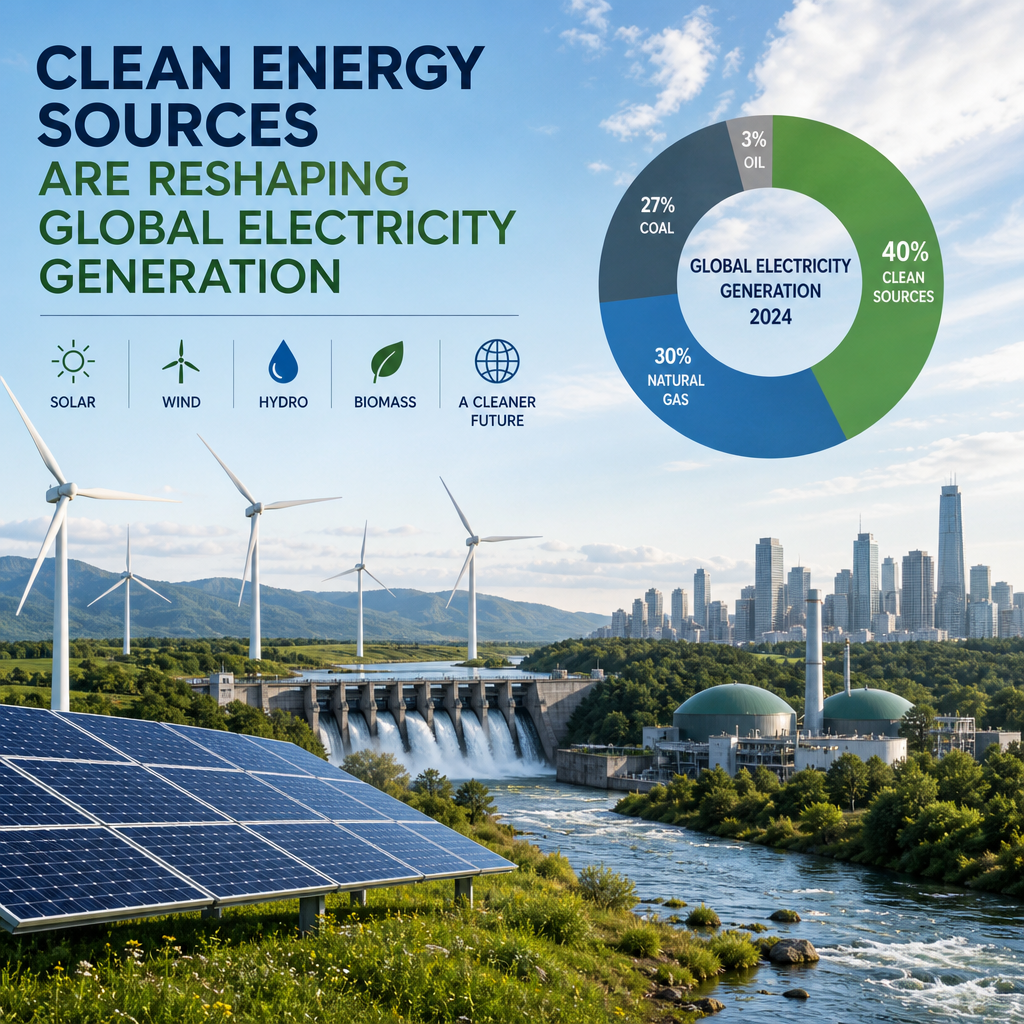
Clean energy sources are no longer a niche part of the power sector—they are becoming a central force in how the world produces electricity. From solar panels on homes to utility-scale wind farms and expanding battery storage, the shift toward low-carbon power is changing grids, markets, and energy policy around the globe. As governments, utilities, and businesses look for cleaner and more resilient options, clean energy sources are reshaping global electricity generation in ways that are both practical and lasting.
Anúncios
This transformation is not happening for just one reason. It reflects a combination of falling technology costs, stronger climate goals, better energy storage, and rising demand for reliable power. For many countries, the transition is also about energy security and reducing dependence on imported fossil fuels. The result is a faster, broader adoption of renewable energy and other low-emission technologies than many experts expected a decade ago.
What Counts as Clean Energy Sources?
Clean energy sources generally refer to electricity generation methods that produce little or no direct greenhouse gas emissions during operation. The most common examples include:
- Solar energy
- Wind energy
- Hydropower
- Geothermal energy
- Nuclear power
- Biomass, in some cases, depending on how it is produced and used
Each source has its strengths and trade-offs. Solar and wind are now among the fastest-growing options because they can be deployed relatively quickly and at many different scales. Hydropower remains a major source of renewable electricity in some regions, while geothermal offers steady baseload power in locations with the right geology. Nuclear energy is also part of the clean electricity discussion because it provides large amounts of low-carbon electricity, though it raises different policy and safety considerations.
Anúncios
Why Clean Energy Sources Are Growing So Quickly
The rapid growth of clean energy sources is the result of both economics and necessity. In many places, renewable power is now competitive with or cheaper than new fossil fuel generation, especially when long-term fuel costs are considered. But cost is only part of the story.
Falling Technology Costs
Solar panels, wind turbines, and battery systems have become more affordable over time due to improved manufacturing, competition, and better engineering. This has made clean electricity more accessible to utilities, businesses, and households.
Policy and Climate Commitments
Many governments have set targets for net-zero emissions, renewable portfolio standards, or cleaner power systems. These policies encourage investment and help create stable markets for clean energy development.
Energy Security Concerns
Recent disruptions in fuel markets have made many countries more aware of the risks tied to imported coal, oil, and gas. Clean energy sources can reduce exposure to volatile fuel prices and supply chain disruptions.
Consumer and Corporate Demand
Large companies increasingly buy renewable electricity through power purchase agreements or on-site generation. Consumers also want cleaner options, lower emissions, and more control over their energy use.
How Clean Energy Sources Are Reshaping Global Electricity Generation
The global power system is changing in several important ways. Clean energy sources are not simply replacing older plants one-for-one. They are also changing how electricity is generated, distributed, stored, and managed.
1. The Grid Is Becoming More Decentralized
Traditional power systems relied on large centralized plants that sent electricity in one direction: from the plant to the customer. Today, more homes, businesses, and communities generate power locally through rooftop solar, community solar projects, and distributed wind systems.
This decentralization can:
- Improve local resilience
- Reduce transmission losses
- Give consumers more control over energy use
- Support microgrids in remote or disaster-prone areas
2. Energy Storage Is Becoming Essential
Solar and wind are variable, so power output depends on weather and time of day. Battery storage helps solve this issue by storing electricity when supply is high and releasing it when demand rises.
In practical terms, storage:
- Smooths out short-term fluctuations
- Helps balance the grid
- Reduces the need for fossil fuel “peaker” plants
- Improves reliability during high-demand periods
This makes clean energy sources more useful for round-the-clock electricity systems.
3. Grid Planning Is Changing
Utilities and regulators now have to plan for more flexible systems. That means investing in:
- Transmission lines that connect resource-rich regions to demand centers
- Modern grid management software
- Demand response programs
- Smart meters and digital controls
- Interconnections with neighboring grids
In other words, the challenge is no longer just generating clean electricity. It is making the whole system smarter and more adaptable.
4. Coal Is Losing Ground in Many Markets
One of the clearest signs that clean energy sources are reshaping global electricity generation is the decline of coal in many countries. In some markets, coal plants are being retired because they are costly to operate, difficult to modernize, or unable to compete with cheaper renewable power.
That said, the pace of change varies widely. Some regions still depend heavily on coal because of existing infrastructure, employment concerns, or energy demand growth. Even so, the long-term direction is clear: coal’s role is shrinking in many parts of the world.
The Most Important Clean Energy Sources in Today’s Power Mix
Not all clean electricity technologies play the same role. Each contributes differently to the evolving energy system.
Solar Energy
Solar is one of the most visible and scalable clean energy sources. It works well on rooftops, parking structures, open land, and utility-scale fields. Solar generation tends to peak during daylight hours, which can help meet afternoon demand.
Common applications include:
- Residential rooftop systems
- Commercial and industrial solar arrays
- Large solar farms
- Solar-plus-storage projects
Wind Energy
Wind power is especially important in regions with strong and consistent wind resources. Onshore wind has expanded rapidly, and offshore wind is becoming more important in coastal markets.
Benefits include:
- Low operating emissions
- Strong output in many rural or coastal regions
- Compatibility with large-scale grid supply
Hydropower
Hydropower remains one of the oldest and most established clean electricity sources. It offers dependable generation, and in some cases, reservoirs can help balance supply during periods of high demand.
However, hydropower development must be managed carefully because it can affect ecosystems, water use, and communities.
Nuclear Power
Nuclear power provides steady, low-carbon electricity and can support grid reliability. It is often discussed alongside renewable energy in broader clean power strategies because it helps reduce emissions without depending on weather.
Geothermal and Emerging Technologies
Geothermal power can deliver consistent output in regions with suitable underground heat resources. Other emerging technologies, including advanced storage, green hydrogen, and cleaner grid controls, are also helping power systems become more flexible and lower-emission.
Benefits of Clean Energy for Electricity Generation
The shift to clean energy sources offers more than just environmental advantages. It can also improve economic stability, public health, and energy access.
Lower Emissions
The most direct benefit is reduced emissions from electricity generation. Cleaner power helps cut carbon dioxide and other pollutants associated with fossil fuels.
Better Public Health
Power plants that burn coal, oil, or gas can contribute to air pollution. Cleaner electricity systems can help reduce particulate matter, sulfur dioxide, and nitrogen oxides, which are linked to health problems.
More Stable Long-Term Costs
While clean energy projects require upfront investment, they do not rely on ongoing fuel purchases in the same way fossil fuel plants do. That can make costs more predictable over time.
Improved Energy Access
In some regions, especially rural or remote areas, distributed clean energy can bring electricity where large grid extensions are expensive or impractical. Solar mini-grids and local battery systems can support schools, clinics, and small businesses.
Challenges That Still Need Attention
Despite major progress, the transition to clean energy sources is not automatic. Several challenges still need solutions.
Intermittency and Reliability
Solar and wind output can change quickly. This creates a need for:
- Better forecasting
- Flexible generation resources
- Storage
- Stronger transmission networks
Upfront Investment
Clean energy infrastructure often requires substantial initial capital. Even when long-term operating costs are low, financing can be a barrier in some markets.
Supply Chain and Materials
Wind turbines, solar panels, batteries, and grid equipment depend on global supply chains and critical minerals. Responsible sourcing and recycling are becoming more important.
Policy and Permitting
Large projects can face delays from permitting, land use concerns, or shifting policy frameworks. Stable rules and efficient approval processes can speed deployment without sacrificing environmental review.
Real-World Examples of the Transition
The clean energy transition looks different depending on the country or region, but the same broad pattern appears again and again: more renewables, smarter grids, and greater flexibility.
For example:
- Some countries are rapidly expanding solar and wind to reduce fossil fuel dependence.
- Island systems are combining renewables with batteries to lower fuel imports.
- Industrial companies are signing long-term clean power contracts to meet sustainability goals.
- Cities are investing in district-scale energy systems and electrified transportation that work better with cleaner grids.
These examples show that clean energy sources are not only changing power generation. They are also influencing how economies plan for the future.
What the Shift Means for Consumers and Businesses
The rise of clean electricity affects more than utilities and governments. It also shapes everyday decisions for households and organizations.
For Homeowners
Homeowners may benefit from:
- Rooftop solar
- Energy-efficient appliances
- Smart thermostats
- Home battery systems
- Time-of-use electricity rates
For Businesses
Companies can use clean energy to:
- Lower operating costs over time
- Strengthen sustainability reporting
- Reduce exposure to fuel price swings
- Improve brand reputation
- Meet customer and investor expectations
For Communities
Cities and towns can use clean power to support resilience, local jobs, and public health goals. Community solar, electric vehicle charging, and municipal building upgrades are all part of the broader shift.
The Future of Global Electricity Generation
Looking ahead, clean energy sources are likely to play an even larger role in global electricity generation. The future power system will probably be more diverse, more digital, and more interconnected than the one many countries use today.
Several trends will shape that future:
- More solar and wind capacity
- Greater use of battery storage
- Expanded transmission infrastructure
- Smarter demand management
- Continued electrification of transport and heating
- Stronger focus on resilience and reliability
The transition will not happen evenly everywhere, and fossil fuels will remain part of the mix in many regions for some time. But the direction is unmistakable. Clean energy is moving from the margins to the center of electricity planning.
Frequently Asked Questions
1. Why are clean energy sources important for electricity generation?
Clean energy sources help reduce greenhouse gas emissions, improve air quality, and support long-term energy stability. They also reduce dependence on fuel markets that can be volatile and expensive.
2. Are renewable energy and clean energy the same thing?
Not exactly. Renewable energy usually refers to sources that naturally replenish, such as solar and wind. Clean energy is a broader term that can include renewables as well as nuclear power and, in some cases, low-emission forms of biomass.
3. What is the biggest challenge for solar and wind power?
The main challenge is variability. Solar and wind depend on weather and time of day, so grids need storage, transmission upgrades, and flexible backup resources to maintain reliability.
4. Can clean energy fully replace fossil fuels?
In many regions, clean energy can supply a very large share of electricity, but the pace and extent of replacement depend on infrastructure, policy, geography, and grid flexibility. Most systems will likely use a mix of technologies during the transition.
5. How can households support the clean energy transition?
Households can use energy-efficient appliances, install rooftop solar if feasible, enroll in green power programs, reduce wasted electricity, and support policies that modernize the grid and expand clean power.
Official Resources
- U.S. Energy Information Administration (EIA)
- U.S. Department of Energy: Renewable Energy
- International Energy Agency (IEA)
- National Renewable Energy Laboratory (NREL)
- International Renewable Energy Agency (IRENA)
Conclusion
Clean energy sources are reshaping global electricity generation by changing not only where power comes from, but how the entire system operates. Solar, wind, hydropower, nuclear, geothermal, and storage technologies are helping countries reduce emissions, strengthen energy security, and modernize aging grids. While challenges remain—especially around intermittency, infrastructure, and financing—the momentum is undeniable.
For consumers, businesses, and policymakers, this shift creates both responsibility and opportunity. The most successful energy systems will be the ones that combine clean generation with smarter grids, flexible storage, and thoughtful planning. That means moving beyond short-term fixes and building electricity networks that are reliable, affordable, and ready for the future.
As the clean energy transition continues, staying informed is one of the best ways to participate in it. Whether you are evaluating home energy options, planning a business strategy, or simply trying to understand the changing power landscape, the rise of clean electricity is a story worth following closely.