WIC Benefits: Food, Nutrition Support, and Health Referrals
Anúncios
WIC benefits can make a meaningful difference for pregnant people, new parents, infants, and young children who need extra support during a critical stage of life. The Special Supplemental Nutrition Program for Women, Infants, and Children—better known as WIC—helps eligible families access healthy foods, nutrition education, breastfeeding support, and health referrals that connect them to care.
For many households, WIC benefits do more than fill the grocery cart. They help reduce stress, support healthy growth, and guide families toward services that strengthen long-term well-being. If you’ve ever wondered how WIC works, what it covers, or whether it might help your family, this guide breaks it down in plain language.
Anúncios
What Are WIC Benefits?
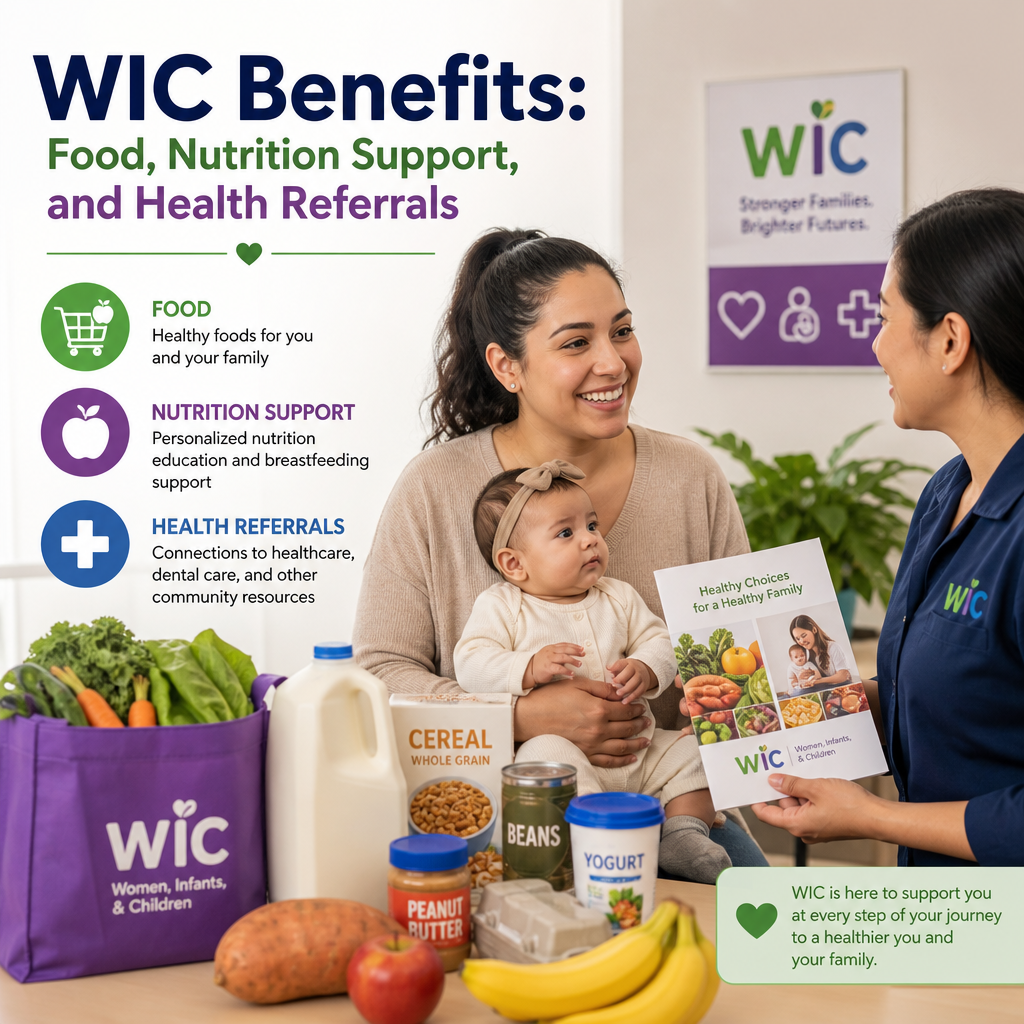
WIC is a federal nutrition program that serves pregnant people, postpartum parents, infants, and children up to age 5 who meet income and nutrition risk requirements. The program is run through state and local agencies, so specific services can vary slightly depending on where you live.
At its core, WIC benefits are designed to support healthy development during pregnancy and early childhood. The program focuses on three major areas:
Anúncios
- Nutritious foods
- Nutrition education and counseling
- Health and social service referrals
Unlike general food assistance, WIC is tailored to the nutritional needs of families with young children. That targeted approach helps participants build healthier habits early.
WIC Benefits for Food and Nutrition
One of the best-known parts of WIC is its food package. These benefits are not random grocery items—they are carefully selected foods that provide key nutrients such as iron, calcium, protein, and vitamins.
What Foods WIC Typically Covers
WIC food packages may include:
- Fruits and vegetables
- Whole grains like whole wheat bread, brown rice, or oats
- Milk, yogurt, and cheese
- Eggs
- Beans and lentils
- Peanut butter
- Infant formula, depending on eligibility and feeding situation
- Infant cereal and baby foods for older babies
- Canned fish for certain participants
- Fortified cereals and juices in some cases
The exact package depends on the participant’s category, age, and dietary needs. For example, a breastfeeding parent may receive different food support than a toddler or a pregnant participant.
Why These Foods Matter
WIC foods are chosen to help fill common nutritional gaps. That matters because pregnancy, infancy, and early childhood are times of rapid growth. The right nutrients support:
- Healthy fetal development
- Brain growth
- Strong bones and teeth
- Immune function
- Energy and overall wellness
For families trying to stretch a budget, these food benefits can make healthier eating more realistic.
How WIC Food Packages Work
Many states now use electronic benefits transfer, or EBT, cards for WIC purchases. This system works much like a debit card but is only used for approved items at authorized stores.
A typical visit might involve:
- Checking your benefits balance
- Choosing approved foods
- Scanning the items at checkout
- Paying with your WIC card for eligible products
Some stores and farmers’ markets also participate in WIC, which can make it easier to find fresh foods close to home.
Nutrition Education and Breastfeeding Support
WIC benefits go beyond groceries. The program also gives families access to practical nutrition support that can build confidence and help with daily decisions.
Nutrition Education That Fits Real Life
WIC nutrition education is usually designed to be useful, not overwhelming. Families may learn about:
- Healthy meal and snack ideas
- Feeding schedules for infants and toddlers
- Reading food labels
- Managing picky eating
- Budget-friendly grocery planning
- Meal prep and safe food handling
These conversations often happen during appointments with nutrition staff or through classes, handouts, phone calls, or online resources. The goal is to help families make informed choices, not judge them.
Breastfeeding Support and Counseling
Breastfeeding support is a major part of WIC benefits for many parents. WIC may offer:
- Prenatal breastfeeding education
- Breastfeeding peer counselors
- Lactation support from trained staff
- Help with pumping and storing milk
- Guidance on returning to work or school while breastfeeding
This support can be especially helpful in the first days and weeks after birth, when many parents have questions or face unexpected challenges. Having someone knowledgeable to call can reduce anxiety and improve outcomes for both parent and baby.
Formula Support When Needed
WIC supports breastfeeding whenever possible, but it also recognizes that not every family can or should breastfeed. In appropriate situations, WIC may provide infant formula or support for medically necessary feeding needs.
That flexibility matters. Families should never feel that they have to choose between nutrition and what works for their real-life situation.
Health Referrals and Connections to Care
Another important part of WIC benefits is referral support. WIC staff are often in a position to identify needs early and connect families with services that can help.
What Health Referrals Can Include
Referrals may connect participants to:
- Prenatal care
- Pediatric care
- Dental services
- Immunization programs
- Medicaid or CHIP
- Housing and utility assistance
- Mental health resources
- Domestic violence support
- Early intervention services
- Smoking cessation programs
These referrals can be especially valuable for families navigating multiple challenges at once. WIC is not a substitute for medical care, but it can help families find the right place to start.
Why Referrals Matter
Health issues and social needs often overlap. For example:
- A pregnant person with limited prenatal care may need help finding a clinic.
- A toddler with feeding concerns may need a pediatric evaluation.
- A parent struggling with postpartum mood symptoms may need mental health support.
- A family facing food insecurity may also need help with healthcare coverage.
WIC staff can help bridge those gaps. That makes the program more than a nutrition benefit—it becomes a pathway to broader support.
Who Can Receive WIC Benefits?
WIC is available to specific groups of people who meet income and nutrition criteria. Eligibility rules vary by state, but generally include:
- Pregnant people
- Postpartum parents
- Breastfeeding parents
- Infants
- Children under age 5
Applicants must also meet income guidelines or qualify automatically if they participate in certain other assistance programs, depending on state rules. A nutrition risk assessment is also part of the process.
Nutrition Risk: What It Means
Nutrition risk does not have to mean a diagnosed illness. It can include factors such as:
- Anemia
- Low weight gain during pregnancy
- Food insecurity
- A diet lacking in key nutrients
- Feeding concerns in infants or children
- Certain medical conditions that affect nutrition
The risk assessment helps determine whether WIC can support the family’s health needs.
How to Apply for WIC
Applying for WIC is usually straightforward, though the exact process depends on your state or local agency.
Common Steps in the Application Process
- Contact your local WIC office or apply online if available.
- Schedule an appointment.
- Provide proof of identity, residency, and income.
- Complete a nutrition and health screening.
- Receive approval if eligible and begin using benefits.
Some offices may offer remote or phone appointments, which can save time. If transportation or scheduling is a barrier, it’s worth asking what options are available.
Documents You May Need
You may be asked to bring:
- Photo ID or other identification
- Proof of address
- Proof of income
- Proof of pregnancy, if applicable
- Immunization records for children in some cases
- Documentation of participation in Medicaid, SNAP, or TANF if relevant
Check with your local office before your appointment so you know exactly what to bring.
WIC Benefits vs. Other Food Assistance Programs
Families often hear about WIC alongside SNAP or school meal programs, but each program serves a different purpose.
How WIC Is Different
WIC benefits are:
- Targeted to pregnant people, infants, and young children
- Focused on nutrition and health
- Designed to supplement, not replace, a family’s food budget
- Linked to education and referrals, not just food access
How WIC Can Complement Other Support
A family may use WIC alongside:
- SNAP for broader grocery support
- Medicaid for healthcare coverage
- School breakfast and lunch programs for older siblings
- Local food pantries or community programs
Together, these services can help stabilize a household and improve nutrition across the family.
Practical Tips for Making the Most of WIC Benefits
Getting approved for WIC is only the first step. Families can often get more value from the program by using a few practical strategies.
1. Review Your Benefits Regularly
Benefits may change as a child grows or a parent’s feeding situation changes. Check your balance and list of approved foods so you don’t miss items you’re eligible to receive.
2. Ask About Local Options
Some states and counties offer additional support such as:
- Farmers’ market vouchers
- Online education modules
- Peer counseling
- Community classes
- Mobile WIC clinics
These extras can make participation easier and more useful.
3. Use Nutrition Counseling to Ask Real Questions
WIC nutrition staff can help with everyday concerns like:
- What should I feed a picky toddler?
- How do I introduce solids?
- What if my baby spits up frequently?
- How can I keep food costs down?
No question is too small if it helps your family eat well.
4. Keep Your Contact Information Updated
If you move, change phone numbers, or change your schedule, let your WIC office know. That helps prevent missed appointments and lost benefits.
5. Bring Up Health Concerns Early
If you notice a problem with feeding, growth, appetite, or mood, mention it during your WIC appointment. Staff can often recommend a referral or encourage follow-up care.
Common Misunderstandings About WIC
WIC benefits are often misunderstood, and those misconceptions can keep families from applying.
“WIC Is Only for People on Welfare”
False. WIC has income guidelines and nutrition requirements, but many working families qualify.
“WIC Only Gives Formula”
Not true. Formula may be part of the package for some families, but WIC also supports breastfeeding, solid foods, and nutrition education.
“Applying Takes Too Long”
The process can take some time, but many offices work to make enrollment as simple as possible. Phone or online options may be available in your area.
“WIC Is Just Free Food”
WIC is much more than food. It includes counseling, education, and referrals that can support better health over time.
Frequently Asked Questions
1. What are the main WIC benefits?
WIC benefits include healthy food packages, nutrition education, breastfeeding support, and referrals to health and social services. The program is designed to support pregnant people, infants, and young children during important stages of growth and development.
2. Can I get WIC if I work full time?
Yes, many working families qualify for WIC. Eligibility is based on income guidelines, household situation, and nutrition risk, not whether you have a job. If your income falls within the program limits, you may be eligible.
3. Does WIC provide baby formula?
WIC may provide infant formula when appropriate, but the program also strongly supports breastfeeding. The type and amount of formula benefits depend on the participant’s situation and state rules. A WIC staff member can explain what applies in your case.
4. Is WIC only for mothers?
No. WIC serves pregnant people, postpartum parents, breastfeeding parents, infants, and children under age 5. The program is not limited to mothers and can support families in many different caregiving situations.
5. What if I already get SNAP or Medicaid?
You may still qualify for WIC. In fact, participation in Medicaid, SNAP, or TANF can sometimes help streamline eligibility in certain states. WIC is a separate program and often works alongside other assistance programs.
Official Resources
- USDA WIC Program Overview
- CDC: Breastfeeding Basics
- USDA Food and Nutrition Service: WIC Food Packages
- National WIC Association
- Medicaid and CHIP: Official Information
Conclusion
WIC benefits are designed to support families at a time when nutrition, health care access, and reliable guidance matter most. By providing healthy foods, nutrition education, breastfeeding support, and referrals to trusted services, WIC helps reduce barriers that can stand in the way of a child’s healthy start.
What makes WIC especially valuable is its practical, family-centered approach. It does not just hand out groceries; it helps parents and caregivers make informed choices, connect with care, and build healthy routines that can last beyond the program. For families managing pregnancy, infancy, or early childhood, those supports can bring real relief and confidence.
If you think your family may qualify, the next step is simple: contact your local WIC office and ask about the application process. A short conversation could open the door to food support, helpful education, and referrals that make everyday life a little easier and a lot healthier.