How Energy Innovation Is Transforming Power Grids, Transportation, and Industry
Anúncios
Energy innovation is no longer a future concept—it is actively reshaping the systems that keep modern life running. From smarter power grids to electric transportation and cleaner industrial processes, new energy technologies are changing how electricity is generated, stored, delivered, and used. As utilities, businesses, and governments look for more resilient and efficient solutions, energy innovation has become central to the conversation about reliability, affordability, and sustainability.
What makes this shift so important is that it is happening across multiple sectors at once. Power grids are becoming more flexible, transportation is moving toward electrification, and industry is adopting cleaner ways to produce goods. Together, these changes are helping create a more connected and efficient energy landscape.
Anúncios
What Energy Innovation Really Means
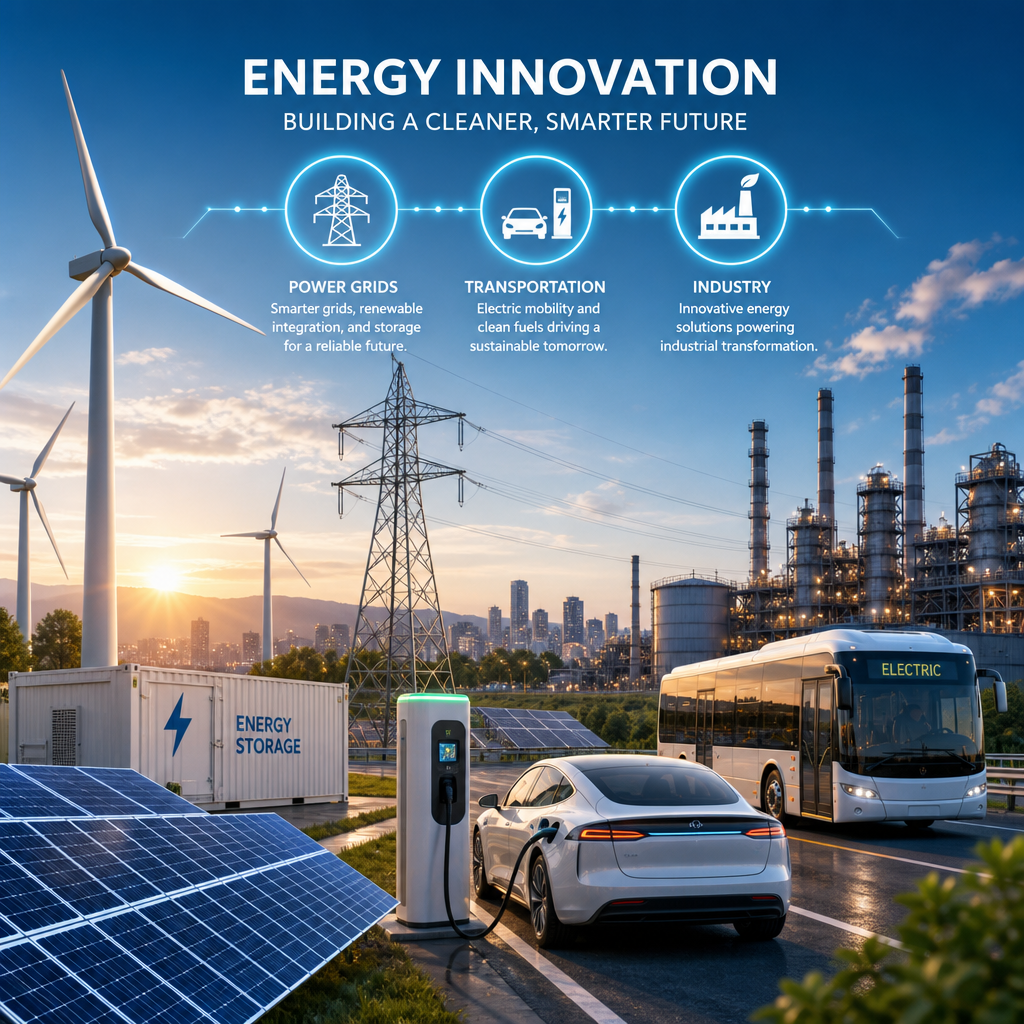
Energy innovation refers to new technologies, strategies, and business models that improve how energy is produced, distributed, stored, and consumed. It includes advances in:
- Renewable energy generation
- Battery storage and other energy storage systems
- Grid modernization
- Electric vehicles and charging infrastructure
- Industrial electrification and process efficiency
- Demand response and smart energy management
In practice, energy innovation is not just about replacing old systems with newer ones. It is about creating a more adaptable energy ecosystem that can respond to changing demand, extreme weather, rising electricity use, and the need to lower emissions.
Anúncios
How Energy Innovation Is Transforming Power Grids
The electric grid is the backbone of modern society, but traditional grid design was built for a one-way flow of power from large plants to consumers. Today, that model is changing fast.
Smarter, More Flexible Grid Operations
Modern grids now use digital tools, advanced sensors, and automation to monitor performance in real time. This helps utilities detect outages faster, balance supply and demand more accurately, and improve overall reliability.
Key grid innovations include:
- Smart meters that provide detailed consumption data
- Grid management software that helps operators make faster decisions
- Sensors and controls that improve visibility across transmission and distribution networks
- AI-driven forecasting tools for load planning and renewable integration
These technologies help utilities manage complexity as more distributed energy resources come online, including rooftop solar, battery systems, and community energy projects.
Integrating Renewable Energy at Scale
Solar and wind power are growing rapidly, but they can be variable. That creates challenges for grid operators who must keep supply aligned with demand every second of the day. Energy innovation helps solve this problem through improved forecasting, storage, and flexible grid controls.
For example, utilities can pair wind and solar resources with battery storage to smooth output. They can also use advanced software to predict weather patterns and plan dispatch more accurately. This makes renewable energy more reliable and easier to integrate into everyday grid operations.
Grid Storage and Resilience
Battery storage has become one of the most important tools in modern power systems. It stores electricity when supply is abundant and releases it when demand spikes or generation drops. That can reduce strain on the grid, support peak demand, and help prevent outages.
Storage also improves resilience during emergencies. In areas affected by storms, wildfires, or other disruptions, battery-backed microgrids can keep critical facilities running even when the larger grid is offline.
The Role of Energy Innovation in Transportation
Transportation is undergoing one of the most visible energy transitions. Electric vehicles, charging networks, and alternative fuels are changing how people and goods move from place to place.
Electric Vehicles Are Reshaping Demand
Electric vehicles are a major driver of energy innovation. As more drivers switch to EVs, electricity demand patterns are changing. This creates both opportunities and challenges for utilities and grid planners.
EVs can support cleaner transportation, lower tailpipe emissions, and reduce dependence on gasoline and diesel. But they also require a reliable charging network and smart management to avoid putting too much pressure on local grids at peak times.
Utilities and charging providers are addressing these issues by developing:
- Managed charging programs
- Time-of-use rates
- Fast-charging networks along highways and in cities
- Vehicle-to-grid pilot programs
Vehicle-to-grid technology, in particular, is an exciting area of energy innovation. It allows EV batteries to send power back to the grid under certain conditions, turning parked vehicles into potential energy assets.
Charging Infrastructure and Grid Coordination
The growth of EVs depends on more than the vehicles themselves. It also requires charging infrastructure that is accessible, affordable, and dependable. Public charging stations, workplace chargers, apartment charging solutions, and fleet depots all need careful planning.
Smart charging systems can help reduce strain on the grid by shifting charging to off-peak hours. This not only supports grid stability but can also lower costs for drivers and fleet operators.
As charging networks expand, energy innovation is helping connect transportation planning with grid planning in ways that were not necessary before. That coordination is becoming essential.
Cleaner Fuels for Hard-to-Electrify Transport
While EVs are a strong fit for passenger cars and many delivery vehicles, some transportation segments are harder to electrify. Aviation, shipping, and long-haul freight may need a mix of solutions, including:
- Renewable diesel
- Hydrogen-based fuels
- Sustainable aviation fuel
- Electrified rail
- Hybrid propulsion systems
These technologies are still developing, but they show how energy innovation is expanding beyond personal vehicles into broader mobility systems.
How Industry Is Benefiting From Energy Innovation
Industry uses a large share of the world’s energy, and many industrial processes are difficult to decarbonize. Energy innovation is helping manufacturers, processors, and heavy industry improve efficiency while reducing waste and emissions.
Industrial Electrification
One major trend is the replacement of fossil-fuel equipment with electric alternatives. This includes electric boilers, heat pumps, induction heating, and electric furnaces in some applications.
Industrial electrification can improve efficiency and make operations easier to integrate with renewable electricity. It also gives facilities more options for managing energy use in response to price signals or grid conditions.
However, not every process can be electrified immediately. In many cases, companies need a phased approach that combines electrification, efficiency improvements, and fuel switching.
Energy Efficiency and Process Optimization
Energy innovation is not always about major hardware changes. Often, the fastest gains come from better control systems, improved monitoring, and process optimization. Smart sensors and analytics can help facilities identify waste, reduce downtime, and improve equipment performance.
Examples include:
- Motors with variable speed drives
- Predictive maintenance systems
- Heat recovery systems
- Real-time energy dashboards
- Automated controls for lighting and HVAC in large facilities
These tools can lower energy costs while improving productivity, which is why industrial energy innovation often makes business sense even before environmental benefits are considered.
Hydrogen and Low-Carbon Industrial Solutions
Hydrogen is gaining attention as a potential solution for sectors that require very high heat or chemical feedstocks. It may play a role in steelmaking, refining, fertilizer production, and other hard-to-abate industries.
Low-carbon hydrogen is still developing, and its long-term role will depend on cost, infrastructure, and policy. Still, it represents an important example of how energy innovation is expanding the options available to industry.
Why System Integration Matters More Than Ever
One of the biggest lessons from today’s energy transition is that power grids, transportation, and industry are no longer separate systems. They are becoming deeply connected.
When EV adoption rises, grid demand changes. When industrial facilities electrify, utilities must plan for new load patterns. When renewable energy grows, storage and flexibility become more valuable across sectors.
This interconnectedness means decision-makers need to think holistically. A successful energy strategy today often includes:
- Grid modernization
- Distributed energy resources
- Electrified transportation
- Flexible industrial demand
- Data-driven planning and operations
A narrow approach can create bottlenecks. A coordinated approach can unlock more value from the same infrastructure.
Benefits of Energy Innovation Across the Economy
Energy innovation brings practical benefits that go beyond environmental goals.
Improved Reliability
Smarter grids, distributed storage, and predictive tools can reduce outages and speed up restoration.
Lower Operating Costs
Efficient equipment, optimized charging, and better energy management can reduce waste and improve cost control.
Greater Resilience
Microgrids, backup storage, and diversified energy sources help critical systems withstand disruptions.
Cleaner Air and Lower Emissions
Electrification and clean fuels can reduce pollution from vehicles, factories, and power generation.
New Business Opportunities
Energy innovation creates room for new markets in software, hardware, services, construction, charging, storage, and advanced manufacturing.
Real-World Examples of Energy Innovation in Action
While every region moves at its own pace, many common examples show how these trends are playing out:
- Utilities deploying advanced metering infrastructure to support smarter billing and load management
- Cities building EV charging corridors to support commuter and freight travel
- Manufacturers using automation to reduce energy waste in production lines
- Campuses and hospitals using microgrids for backup power and resilience
- Fleet operators shifting delivery vehicles to electric models with managed charging schedules
These examples show that energy innovation works best when technology, planning, and policy align.
Challenges That Still Need Attention
Even with strong momentum, energy innovation faces real barriers.
Infrastructure Gaps
Charging stations, transmission upgrades, and industrial retrofits require major investment and long planning timelines.
Cost and Access
Upfront costs can slow adoption, especially for smaller businesses, rural communities, and households with limited financial flexibility.
Permitting and Interconnection Delays
Clean energy projects, grid upgrades, and storage installations can be slowed by permitting processes and utility interconnection queues.
Workforce Readiness
New technologies require skilled workers in installation, operations, maintenance, and data analysis. Training and workforce development are critical.
Policy and Market Alignment
Markets must reward flexibility, reliability, and innovation if these solutions are going to scale efficiently.
Addressing these challenges will determine how quickly energy innovation can deliver on its promise.
What Businesses and Communities Can Do Now
Organizations do not need to wait for the perfect future system. They can start preparing now by taking practical steps such as:
- Conducting energy audits to identify waste and efficiency opportunities
- Evaluating electrification options for vehicles and equipment
- Installing smart controls and monitoring systems
- Planning for EV charging with utility coordination
- Considering storage for backup power or load management
- Building long-term capital plans around energy resilience
Even modest improvements can create momentum and prepare organizations for larger changes ahead.
Frequently Asked Questions
What is the biggest impact of energy innovation today?
One of the biggest impacts is the way energy innovation is connecting electricity, transportation, and industry into a more flexible system. Smart grids, battery storage, EVs, and industrial electrification are changing how energy is used across the economy.
How does energy innovation help power grids?
It helps grids become more responsive, resilient, and efficient. Technologies like smart meters, sensors, automation, and storage allow utilities to manage demand better, integrate renewables, and respond faster to outages or disruptions.
Why is energy innovation important for transportation?
Transportation depends heavily on energy, and innovation is making it possible to shift from gasoline and diesel to electricity and other cleaner fuels. This supports lower emissions, lower operating costs, and new infrastructure like EV charging networks.
Can industry really benefit from electrification?
Yes, in many cases. Industrial electrification can improve efficiency, reduce emissions, and simplify operations. While some processes still require other fuels, many facilities can adopt electric systems for heating, processing, and equipment upgrades.
What is the main challenge facing energy innovation?
The biggest challenge is often integration. New technologies work best when infrastructure, regulation, workforce training, and market design all support them. Without coordination, progress can slow even when the technology is ready.
Official Resources
- U.S. Department of Energy
- National Renewable Energy Laboratory
- U.S. Energy Information Administration
- Federal Energy Regulatory Commission
- International Energy Agency
Conclusion
Energy innovation is changing more than just how electricity is produced. It is reshaping the systems that support everyday life, from the power grid that keeps homes and businesses running to the transportation networks that move people and goods, to the industrial facilities that manufacture the products we depend on. Smarter grids, battery storage, electric vehicles, charging infrastructure, industrial electrification, and data-driven energy management are all part of a larger transformation.
The most important takeaway is that this shift is interconnected. Progress in one sector supports progress in another. A modern grid enables more EVs. Better storage supports more renewable power. Smarter industrial systems reduce waste and improve resilience. When these pieces work together, the result is a stronger and more adaptable energy future.
For businesses, communities, and policymakers, the opportunity is clear: invest early, plan holistically, and stay focused on solutions that improve reliability, efficiency, and long-term value. Energy innovation is not only changing the system—it is building the foundation for the next one.